
Imagine a future where robots move with lifelike fluidity, prosthetics feel like natural extensions of the body, and soft actuators power delicate medical devices – that future is rapidly approaching thanks to groundbreaking advancements in materials science. We’re on the cusp of a revolution driven by innovative actuation technologies, moving beyond traditional motors and hydraulics towards something far more adaptable: artificial muscles. These aren’t your typical sci-fi constructs; they represent a paradigm shift in how we think about movement and power. A particularly exciting development involves harnessing the precision of ultrasound to control these systems, unlocking capabilities previously considered unattainable. This approach allows for incredibly fine-grained control and responsiveness, dramatically expanding the potential applications of artificial muscles. From wearable robotics assisting with rehabilitation to miniature surgical tools navigating complex environments, the possibilities are truly transformative, and we’re just beginning to scratch the surface of what’s possible.
The core concept revolves around materials that change shape or size when exposed to focused ultrasound waves – essentially mimicking the contraction of biological muscle tissue. This technique offers several key advantages over existing actuation methods, including rapid response times, high energy efficiency, and the potential for miniaturization. Researchers are actively refining both the material compositions and the ultrasonic delivery systems, pushing the boundaries of performance and reliability. We’ll delve into the specifics of how this technology works, exploring the underlying physics and engineering challenges that researchers are overcoming to bring these advanced actuators closer to widespread adoption.
Get ready to explore a fascinating intersection of ultrasound imaging and materials science as we unpack the latest breakthroughs in ultrasound-activated artificial muscles – a technology poised to reshape industries from healthcare to robotics and beyond.
The Science Behind the Squeeze
The secret behind these newly developed ‘artificial muscles’ lies in a fascinating combination of tiny bubbles and focused sound waves. Forget bulky actuators or complex hydraulics – ETH Zurich researchers have harnessed the power of microbubbles, incredibly small gas-filled spheres, to create movement on demand. These aren’t just any bubbles; they’re carefully engineered structures typically composed of biocompatible materials like lipids (fats) or polymers, encapsulating gases such as perfluorocarbons. Their size is crucial – usually measured in micrometers (millionths of a meter) – allowing them to be suspended within a polymer matrix that forms the ‘muscle’ itself.


The real magic happens when ultrasound comes into play. Ultrasound, typically used for medical imaging, can also deliver energy. When pulsed ultrasound waves hit these microbubble-filled materials, they cause the bubbles to rapidly expand and contract. This oscillation – this repeated growth and shrinking – generates forces within the surrounding polymer matrix. Imagine a multitude of tiny pistons pushing and pulling; that’s essentially how this artificial muscle system works. The frequency and intensity of the ultrasound precisely control both the speed and strength of the resulting movement.
The beauty of this approach is its controllability. By adjusting the ultrasound parameters – frequency, power, and even focusing patterns – researchers can dictate not just *if* a ‘muscle’ contracts, but also *how* it moves. This allows for complex motions beyond simple squeezing; potential applications include gripping objects with varying force or even mimicking nuanced biological movements. The biocompatibility of the microbubble materials opens doors to medical uses as well, envisioning tissue patches that can actively assist healing or robots capable of intricate surgical procedures.
Ultimately, these ultrasound-activated artificial muscles represent a significant leap forward in soft robotics and biomedical engineering. While still in early stages of development, the potential applications are vast and exciting, ranging from advanced robotic grippers to targeted drug delivery systems and even revolutionary tissue regeneration therapies. The ability to remotely control movement using sound waves promises a future where machines can interact with the world – and our bodies – in entirely new ways.
Microbubbles: Tiny Engines of Motion

At the heart of these innovative artificial muscles are microbubbles – incredibly tiny spheres, typically just a few micrometers in diameter (about the width of a human hair). These aren’t just empty bubbles; they’re complex structures usually composed of a gas core, like nitrogen or oxygen, encapsulated within a shell made of biocompatible lipids or polymers. This delicate construction is key to their function and allows them to withstand pressure changes without bursting.
The magic happens when ultrasound waves are applied. Ultrasound is sound with frequencies too high for humans to hear – think of it as very powerful vibrations. When these waves hit the microbubbles, they cause the bubbles to rapidly expand and contract. This oscillation is driven by two primary mechanisms: acoustic radiation force (physical pushing from the wave) and inertial cavitation (the formation and collapse of vapor cavities within the bubble).
This rapid expansion and contraction of the microbubbles generates mechanical forces. In the artificial muscle design, these bubbles are embedded in a soft polymer matrix. As the bubbles pulsate under ultrasound influence, they push against this surrounding material, causing it to deform and contract – effectively mimicking the movement of a biological muscle. The frequency and intensity of the ultrasound precisely control the speed and strength of the resulting motion.
How It Works: From Ultrasound to Action
The magic behind these new artificial muscles lies in their unique construction – think of them as tiny sponges filled with microscopic bubbles. These aren’t just any bubbles; they’re carefully engineered microbubbles, suspended within a soft polymer matrix. The core innovation revolves around using focused ultrasound to manipulate these bubbles and generate movement. You might be familiar with ultrasound from medical imaging – sonograms use high-frequency sound waves to create images of the inside of your body. This technology leverages a similar principle, but instead of creating an image, it’s used to trigger mechanical action.
Here’s how it works step-by-step: when focused ultrasound waves hit the microbubble-filled material, these tiny bubbles begin to oscillate – vibrating rapidly back and forth. Imagine dropping a pebble into a pond; the ripples you see are similar to the movement of the microbubbles. This rapid oscillation creates localized pressure waves within the polymer matrix surrounding the bubbles. It’s this pressure wave that effectively acts as the ‘muscle,’ causing the material to contract or expand depending on the ultrasound frequency and intensity.
The strength and directionality of the ultrasound beam are key. By precisely controlling the focus point and power, researchers can dictate where and how much contraction occurs within the artificial muscle. This allows for incredibly precise control – imagine a robotic gripper that can gently pick up delicate objects or a surgical tool capable of performing intricate movements with millimeter precision. Unlike traditional motors which rely on rotating parts, these ultrasound-activated ‘muscles’ offer smooth, silent operation and potentially greater flexibility in design.
Ultimately, the beauty of this system is its simplicity and versatility. The microbubble-polymer composite can be molded into various shapes and sizes, enabling a wide range of applications. From soft robotics requiring adaptable grippers to medical devices like targeted drug delivery systems or even ‘tissue patches’ that assist with healing, the possibilities for these ultrasound-activated artificial muscles are vast and continue to inspire exciting research.
The Ultrasound Trigger & Muscle Contraction
The core of this artificial muscle technology lies in leveraging focused ultrasound – the same principle used to create images during sonograms. In a sonogram, high-frequency sound waves are bounced off internal body structures to generate a visual representation. Here, however, those sound waves aren’t just being ‘looked at’; they’re actively harnessed to induce movement. The artificial muscles contain tiny microbubbles dispersed within a polymer matrix – imagine countless microscopic balloons embedded in a rubbery substance.
When focused ultrasound is applied, these microbubbles rapidly oscillate or vibrate. The frequency of the ultrasound causes them to expand and contract many times per second. This rapid oscillation generates localized pressure waves within the surrounding polymer material. Think of it like repeatedly pushing and pulling on that ‘rubbery’ matrix – this repetitive force leads to a noticeable contraction and expansion of the entire muscle structure, mimicking the behavior of biological muscles.
The intensity and frequency of the ultrasound can be precisely controlled, allowing researchers to dictate the speed and strength of the artificial muscle’s movements. By varying these parameters, they can tailor the ‘muscle’s’ response for specific applications – from delicate gripping actions to more forceful expansions. This level of control opens up possibilities far beyond what traditional actuators or motors can offer.
Beyond the Lab: Potential Applications
The promise of artificial muscles extends far beyond the laboratory, hinting at a revolution across diverse fields. While traditional robotic systems often rely on bulky motors and gears, these ultrasound-activated artificial muscles offer a radically different approach to actuation. Imagine robotic grippers capable of incredibly delicate manipulation – handling fragile objects with precision or performing intricate assembly tasks currently impossible for conventional robots. The inherent softness and adaptability of these microbubble-powered actuators allow for far greater dexterity and control compared to rigid mechanical systems, potentially unlocking new levels of automation in industries ranging from manufacturing to agriculture.
Beyond robotics, the medical applications are particularly compelling. Envision targeted drug delivery where ultrasound precisely directs medication to affected tissues, minimizing side effects and maximizing therapeutic impact. The minimally invasive nature of ultrasound technology makes this a significant advantage over many current treatment methods. Furthermore, these artificial muscles could play a crucial role in tissue repair and regeneration, potentially acting as ‘scaffolding’ or even directly stimulating growth – offering innovative solutions for wound healing and reconstructive surgery.
The beauty of this technology lies not only in its potential but also in its versatility. Researchers are exploring applications from creating soft exoskeletons to assisting with rehabilitation exercises. The ability to precisely control movement using focused ultrasound opens up possibilities we’re only beginning to grasp, allowing for a level of customization and responsiveness previously unattainable. While challenges remain in scaling production and optimizing long-term performance, the initial results demonstrate a transformative leap forward in artificial muscle technology.
Looking ahead, we can anticipate seeing these artificial muscles integrated into increasingly sophisticated devices and procedures. The combination of biocompatibility, precise control, and adaptability positions this innovation as a cornerstone for future advancements in robotics, medicine, and potentially even consumer products. From assisting surgeons to enabling more intuitive prosthetics, the impact of ultrasound-activated artificial muscles is poised to reshape how we interact with technology and address critical healthcare needs.
Robotics & Gripping Power

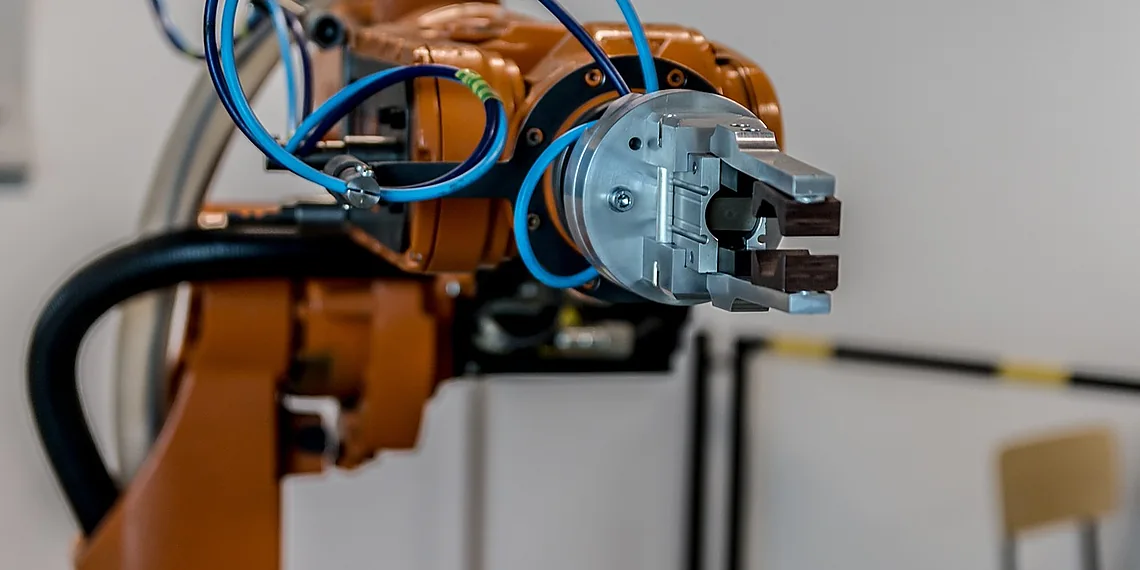
Current robotic grippers often rely on electric motors and complex gear systems to achieve movement and force control. These traditional methods can be bulky, noisy, and sometimes lack the dexterity needed for handling fragile or irregularly shaped objects. Ultrasound-activated artificial muscles offer a compelling alternative, promising smaller, quieter, and significantly more adaptable gripping solutions. The ability to precisely control muscle contraction and relaxation with focused ultrasound allows for nuanced adjustments in grip strength and positioning that are difficult to achieve with conventional actuators.
Imagine a robotic hand capable of gently grasping delicate fruits without bruising them or manipulating intricate microcomponents with precision. These artificial muscles, due to their flexibility and responsiveness, could enable just that. They can conform to the shape of objects more easily than rigid motor-driven systems, providing a secure yet gentle hold. This is particularly valuable in industries like agriculture (harvesting), electronics manufacturing (assembly), and even healthcare (surgical robotics) where precise and delicate manipulation is paramount.
Beyond simple grasping, these artificial muscles could facilitate multi-fingered robotic hands with more natural and fluid movements. The independent control afforded by ultrasound activation allows for complex gripping patterns and adaptive responses to unexpected changes in object shape or weight – essentially creating a ‘smart’ gripper that can learn and adjust its technique over time. This represents a significant leap forward from the pre-programmed routines of many existing robotic systems.
Medical Marvels: Targeted Therapies
The ultrasound-activated artificial muscles hold immense promise for revolutionizing medical therapies, particularly through targeted drug delivery. Imagine microscopic muscle actuators precisely delivering medication directly to diseased cells or tumors, minimizing systemic exposure and maximizing therapeutic effect. Current methods often rely on broad distribution of drugs, leading to unwanted side effects; this technology offers a pathway toward highly localized treatment with potentially fewer adverse reactions.
Beyond drug delivery, these artificial muscles could facilitate tissue repair and regeneration. By strategically placing microbubble-containing actuators near damaged tissue, clinicians could stimulate cellular growth and promote healing from the outside in. This approach is especially appealing for conditions like muscle injuries or even nerve damage, offering a minimally invasive alternative to traditional surgical interventions that often carry significant risks and lengthy recovery periods.
The inherent non-invasiveness of ultrasound makes this technology particularly attractive for medical applications. Unlike many other targeted therapies requiring implanted devices or complex procedures, ultrasound can penetrate tissues relatively easily, allowing for external control and monitoring of the artificial muscles. This reduces patient discomfort, minimizes complications, and opens up opportunities for outpatient treatments – ultimately contributing to a more accessible and efficient healthcare system.
Challenges & Future Directions
While the prospect of ultrasound-activated artificial muscles is incredibly exciting, significant hurdles remain before widespread adoption becomes a reality. Currently, the response time of these microbubble-based actuators isn’t quite fast enough for demanding robotic applications requiring rapid movements. Furthermore, while impressive in demonstrations, scaling up production to create larger and more powerful muscle systems presents considerable engineering challenges. Manufacturing consistent, uniform microbubbles across larger volumes is difficult, impacting overall performance and reliability. The precise control needed to orchestrate multiple artificial muscles working in concert also requires sophisticated algorithms and potentially new hardware architectures.
Durability is another key area demanding further research. Repeated ultrasound exposure can degrade the polymer matrix encapsulating the microbubbles, leading to a reduction in muscle strength and lifespan. Researchers are actively exploring more robust polymer materials – including those with self-healing capabilities – as well as investigating protective coatings to mitigate bubble damage. Optimizing energy efficiency is also paramount; current systems require relatively high power input for actuation, which limits their practicality, particularly in portable or battery-powered applications. Efforts are focused on improving microbubble design and ultrasound focusing techniques to minimize energy waste.
Looking ahead, several exciting research avenues promise to address these limitations. One direction involves incorporating responsive polymers that change shape upon ultrasound activation, potentially amplifying the muscle’s movement and enhancing its force output. Another focuses on developing ‘smart’ microbubbles that can be triggered with specific frequencies or intensities of ultrasound, allowing for finer-grained control and reduced energy consumption. Integration with flexible electronics could also lead to more compact and versatile artificial muscle systems suitable for wearable robotics or minimally invasive medical devices.
Ultimately, the future of these artificial muscles hinges on overcoming these current challenges through continued innovation in materials science, microfabrication techniques, and control algorithms. The potential rewards – from advanced surgical tools to adaptable robotic grippers – are substantial, justifying the ongoing research efforts that aim to transform this promising technology into a practical reality.
Scaling Up & Durability
While the ultrasound-activated artificial muscles developed at ETH Zurich demonstrate remarkable potential, significant hurdles remain in scaling up production for widespread application. Currently, manufacturing these microbubble-containing structures is a complex and relatively low-throughput process. Increasing output while maintaining consistent material quality and bubble distribution presents a major engineering challenge. Researchers are exploring techniques like roll-to-roll processing and advanced 3D printing methods to address this bottleneck, aiming for more automated and cost-effective production.
Durability also represents a key limitation. The microbubbles themselves are susceptible to rupture or degradation over time with repeated ultrasound exposure, impacting the muscle’s performance lifespan. Furthermore, the polymer matrix encapsulating the bubbles can experience fatigue and cracking under cyclical stress. Ongoing research focuses on developing more robust bubble materials – perhaps incorporating stronger polymers or even utilizing multiple encapsulated layers – as well as exploring alternative polymer matrices that offer improved mechanical properties and resistance to ultrasound-induced damage.
Finally, optimizing energy efficiency is crucial for practical deployment. The current system requires a considerable amount of ultrasound power to achieve substantial actuation forces. Future work aims at improving the acoustic coupling between the transducers and the artificial muscle, minimizing energy losses during transmission. Additionally, researchers are investigating strategies to enhance bubble resonance frequency and optimize microbubble size distribution to maximize force generation with minimal input power.
The convergence of ultrasound technology and materials science has yielded a truly remarkable advancement, opening doors to incredibly precise and responsive actuators.
This ultrasonic approach represents a significant leap beyond existing methods for creating artificial muscles, promising enhanced control and efficiency in diverse applications.
Imagine robotic prosthetics that mimic natural movement with unprecedented fidelity, or soft robots capable of navigating complex environments – these possibilities are rapidly moving from science fiction to tangible reality thanks to this innovation.
The implications extend far beyond robotics; we foresee breakthroughs in biomedical devices, haptic feedback systems, and even microfluidic pumps, all benefiting from the power of precisely controlled ultrasonic actuation. The development of artificial muscles is poised to reshape industries we haven’t even fully conceived of yet, driving new levels of automation and precision across multiple sectors. Further refinement will undoubtedly lead to even more compact and powerful designs, expanding their potential use cases exponentially. The ability to manipulate materials with sound waves offers a unique pathway towards creating adaptable and responsive systems unlike anything available today. Ultimately, this technology signifies not just an incremental improvement but a paradigm shift in how we approach actuation and movement control. It’s an exciting time for engineering and material science, brimming with potential for transformative change. We believe the future will see widespread adoption of these advanced technologies as they mature and become more accessible.
Continue reading on ByteTrending:
Discover more tech insights on ByteTrending ByteTrending.
Discover more from ByteTrending
Subscribe to get the latest posts sent to your email.