
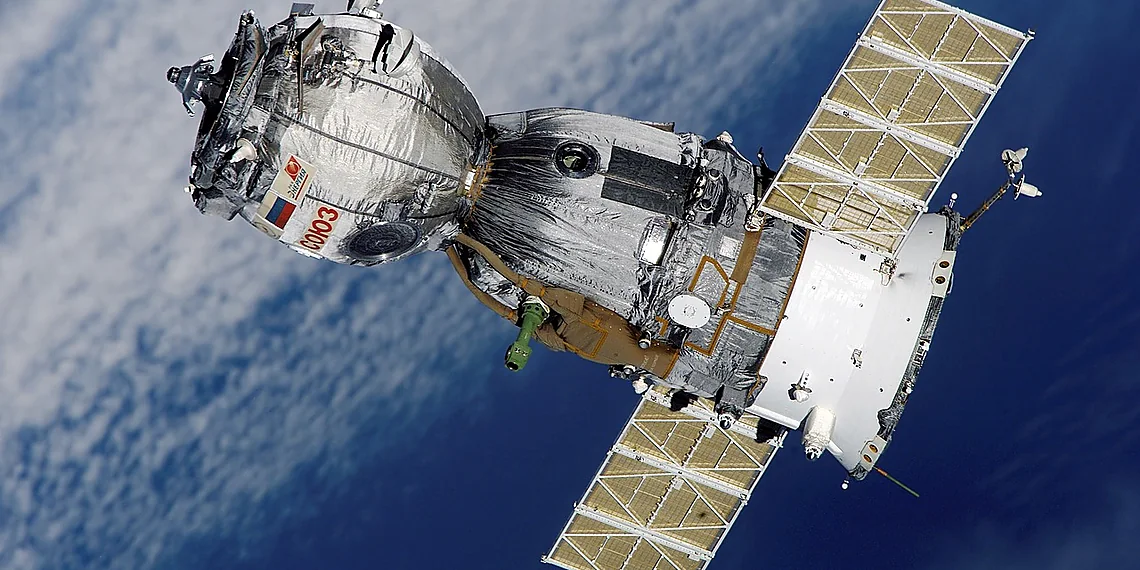
Our reliance on orbiting technology has never been greater; from global communication networks to weather forecasting and precision navigation, satellites are undeniably woven into the fabric of modern life.
But this vital infrastructure faces a growing, often overlooked threat: space debris. Decades of launches have left a swirling cloud of defunct satellites, rocket fragments, and other man-made objects circling our planet, creating an increasingly hazardous environment for operational spacecraft.
Collisions with even small pieces of debris can be catastrophic, leading to satellite failure and potentially triggering cascading chain reactions known as Kessler Syndrome – a scenario that could render certain orbits unusable for generations.
Recognizing this escalating risk, innovative companies are pioneering new protective measures, and one US-based firm is at the forefront with groundbreaking advancements in satellite shielding. Their approach promises a significant leap forward in safeguarding these essential assets from orbital hazards. The development of effective satellite shielding represents a crucial shift towards proactive space defense, rather than reactive damage control.
The Growing Problem of Space Debris
The orbital environment is facing an increasingly serious challenge: space debris. This isn’t just about pretty shooting stars; it’s a growing collection of defunct satellites, discarded rocket stages, and fragments from collisions – all orbiting our planet at incredible speeds. Currently, there are estimated to be over 27,000 objects larger than a softball circling Earth, with hundreds of thousands more ranging in size from one centimeter to dust particles. While tracking systems monitor the largest pieces, the smaller, yet still dangerous, micro-debris poses a significant and often unpredictable threat.
The sources of this debris are multifaceted. Naturally occurring micrometeoroids contribute, but human activity is overwhelmingly responsible for the escalating problem. Historical satellite launches, particularly during the Cold War era, left behind numerous defunct satellites and rocket bodies. More recently, intentional destruction events (like anti-satellite missile tests) have created massive clouds of fragments. Even routine operational activities, such as deploying rocket stages or releasing small components, contribute to the overall debris population. Each new launch further exacerbates this issue, creating a cascade effect where collisions generate even more debris.
The risk posed by space debris isn’t merely theoretical; it’s an active and present danger to operational satellites vital for communications, navigation (GPS), weather forecasting, and national security. A collision with even a small piece of debris can cripple or destroy a satellite, resulting in significant economic losses – estimated in the billions of dollars when considering replacement costs, service disruptions, and potential geopolitical implications. The loss of key infrastructure could severely impact global connectivity and essential services.
Looking ahead, experts warn of the potential for Kessler Syndrome, a self-sustaining cascade effect where collisions generate more debris, leading to even more collisions – effectively rendering certain orbital regions unusable. While Kessler Syndrome isn’t inevitable, it highlights the urgent need for proactive solutions like improved tracking capabilities, active debris removal technologies, and, crucially, robust satellite shielding strategies as demonstrated by the recently developed composite shield being pioneered by US companies. Addressing this problem is not just a technological challenge; it’s a strategic imperative for maintaining access to space.
Sources and Scale of the Threat

Space debris isn’t just about old movie props floating in orbit; it’s a rapidly growing problem with serious implications for space operations. The vast majority of this debris is human-made, originating from defunct satellites (those that have reached the end of their operational lives), spent rocket bodies left in orbit after deployments, and fragments resulting from collisions between objects or explosions. As of early 2024, there are over 36,500 tracked objects larger than 10 centimeters orbiting Earth, with estimates suggesting hundreds of thousands of pieces ranging from 1 to 10 cm, and millions smaller than 1 cm. These smaller fragments, though individually tiny, pose a significant threat due to their high velocity.
The size distribution of space debris is crucial. While large objects are tracked and efforts are made to deorbit them, the sheer number of smaller pieces makes monitoring nearly impossible. A piece of debris just 1 centimeter in diameter traveling at orbital speeds (around 7-8 kilometers per second) carries the energy equivalent of a hand grenade upon impact. Even paint flecks can cause damage to sensitive satellite components. The increasing frequency of satellite launches, particularly by both government and commercial entities, is continually adding to this population.
The long-term concern surrounding space debris is Kessler Syndrome, a theoretical scenario proposed by NASA scientist Donald Kessler in 1978. This syndrome describes a cascading effect where collisions between satellites and debris create more debris, which then leads to further collisions, ultimately rendering certain orbital regions unusable for future missions. While Kessler Syndrome hasn’t fully materialized yet, the current trajectory of space debris accumulation significantly increases the probability of such a scenario occurring, potentially crippling global communication, navigation, and Earth observation capabilities.
Introducing the Composite Shield Technology
The growing number of satellites orbiting Earth presents a critical challenge: protecting them from increasingly frequent collisions with space debris, including fast-moving, hypervelocity particles. Addressing this issue, a US company has unveiled a groundbreaking solution – Composite Shield Technology – designed to significantly enhance satellite survivability in the harsh space environment. This isn’t just an incremental improvement; it represents a fundamental shift in how we approach satellite defense.
At its core, the new shielding technology utilizes a carefully engineered composite material. Instead of relying on traditional aluminum or single-layer solutions, this shield is built from multiple layers of advanced polymers and strategically placed ceramic components. Think of it like an onion – each layer plays a specific role in absorbing and dissipating energy upon impact. The materials are chosen for their exceptional strength relative to their weight, crucial for minimizing the added mass that would otherwise hinder satellite performance. This lightweight yet robust design is key to protecting valuable assets without compromising maneuverability or fuel efficiency.
What truly sets this composite shield apart from existing solutions lies in its layered construction and unique energy absorption principles. The outer layers are designed to vaporize and spread incoming debris, reducing the intensity of the impact. Subsequent layers then absorb the remaining kinetic energy through a process that converts it into heat and structural deformation rather than catastrophic failure. Some iterations even incorporate self-healing polymers – microscopic capsules filled with repair agents that automatically seal minor cracks or damage caused by micrometeoroids, extending the shield’s operational lifespan.
Ultimately, Composite Shield Technology promises a new era of space defense, offering a more robust and adaptable solution for safeguarding our increasingly vital satellite infrastructure. As space activity continues to expand, these advanced shielding systems will become essential for ensuring the long-term sustainability and security of operations in orbit.
Material Science & Design Innovations
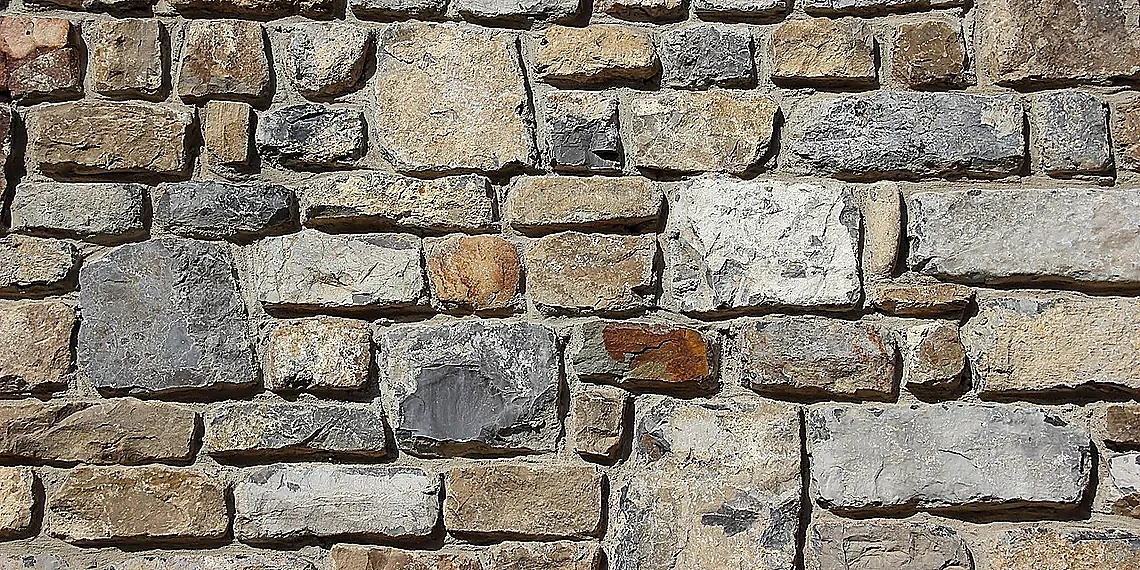
The revolutionary satellite shielding being developed utilizes a unique composite material designed to withstand the increasingly common threat of hypersonic debris in orbit. Unlike traditional aluminum or steel used for spacecraft protection, this new shield incorporates layers of advanced polymers interwoven with carbon nanotubes and ceramic particles. Carbon nanotubes provide exceptional tensile strength – essentially preventing tearing and stretching under immense stress – while the ceramic particles act as incredibly hard ‘bricks’ to absorb and shatter incoming projectiles. The polymer matrix binds these components together, distributing impact forces across a wider area.
A key advantage of this composite approach is its lightweight nature. Space launches are notoriously expensive; every kilogram added significantly increases costs. These materials offer a superior strength-to-weight ratio compared to conventional metals, meaning satellites can be better protected without sacrificing maneuverability or payload capacity. The shields aren’t just single layers either; they often employ a layered construction with varying densities and material compositions – think of it like multiple stages of defense against different sized debris. Some designs even incorporate self-healing polymers that can repair minor damage from micrometeoroids, extending the shield’s operational lifespan.
Existing satellite shielding typically relies on passive protection – simply hoping to withstand impacts or using thicker metal plates which adds significant weight. This new composite shielding actively mitigates risk through a combination of impact absorption and deflection. The layered design allows for energy dissipation over larger areas, reducing localized stress concentrations. While the specific composition remains proprietary, the underlying principles leverage cutting-edge material science to offer a significantly improved level of protection against the growing hazard of space debris.
Impact & Future Implications
The emergence of advanced satellite shielding represents a significant paradigm shift for space operations. Currently, the escalating number of satellites coupled with increasing launch frequency directly correlates with heightened risks from orbital debris, including hypersonic fragments. This new composite shield offers a proactive defense against these threats, potentially extending satellite lifespans and reducing costly replacements. Beyond simple protection, it allows operators to consider more aggressive orbits and mission profiles previously deemed too risky due to collision probabilities—opening doors for enhanced Earth observation capabilities, improved communication networks, and even more precise positioning services.
Looking ahead, the impact extends far beyond individual satellite resilience. The ability to reliably shield spacecraft fosters a safer environment for all orbiting assets, contributing directly to the long-term sustainability of Earth’s orbit. This technology could unlock new avenues for space exploration as well; imagine lunar or Martian habitats protected from micrometeoroid impacts and radiation, paving the way for sustained human presence beyond our planet. Further advancements might include self-healing shielding materials or even active debris deflection systems integrated with satellite protection.
However, this technological leap also introduces complex considerations at an international level. As space becomes increasingly congested and valuable, questions surrounding responsibility for orbital safety and the equitable access to protective technologies will inevitably arise. Existing space law may need reinterpretation or expansion to address scenarios involving shielded satellites – particularly concerning liability in case of collisions despite preventative measures. Fostering international cooperation and establishing clear protocols regarding shielding technology deployment will be crucial to ensuring a peaceful and collaborative future in space.
Ultimately, the development of effective satellite shielding isn’t just about protecting hardware; it’s about safeguarding our access to space and securing its long-term viability. The ‘Atomic-6’ composite shield is an exciting first step, but ongoing research into materials science and orbital safety protocols will be essential for navigating the challenges and harnessing the immense potential of this new era of space defense—an era where resilience and sustainability are paramount.
Beyond Protection: A New Era of Space Resilience
The advent of advanced satellite shielding represents a significant shift beyond mere damage mitigation; it unlocks possibilities for more ambitious and resilient space missions. Currently, satellites operate with inherent vulnerabilities to micrometeoroids, orbital debris, and even solar radiation – factors that can lead to premature failure or degraded performance. Robust shielding drastically reduces these risks, allowing for longer operational lifespans, enabling deployments in higher-risk orbits (like those closer to the Van Allen belts), and paving the way for more complex scientific endeavors such as extended lunar missions or deep space probes with sensitive instrumentation.
Beyond individual satellite protection, widespread adoption of effective shielding contributes directly to a safer and more sustainable space environment. As the number of satellites in orbit continues to grow exponentially, the risk of collisions and cascading debris events – known as Kessler Syndrome – becomes increasingly concerning. By minimizing damage from existing debris and reducing the likelihood of creating new fragments during impacts, advanced shielding helps preserve orbital slots, reduces the need for costly remediation efforts, and ensures continued access to space for all nations.
Looking ahead, satellite shielding technology is likely to evolve beyond current composite materials. Research into self-healing shields, active deflection systems that can subtly adjust a satellite’s orientation to avoid debris, and metamaterials with tailored electromagnetic properties offer exciting possibilities. Furthermore, integration of these technologies directly into satellite design from the outset – rather than as an afterthought – will be crucial for maximizing effectiveness and minimizing overall mission costs. This proactive approach promises a future where space infrastructure is significantly more robust and reliable.
Company Background & Next Steps
Atomic-6, the pioneering US company behind this innovative satellite shielding technology, is rapidly establishing itself as a key player in space infrastructure protection. Founded with a mission to safeguard critical orbital assets, Atomic-6 leverages decades of experience in advanced materials science and composite engineering – expertise initially honed within the aerospace defense sector. Their team comprises experts in hypersonic impact mitigation, structural analysis, and specialized manufacturing processes, allowing them to develop solutions specifically tailored for the increasingly challenging space environment. The company’s core philosophy revolves around proactive protection rather than reactive repair, recognizing that orbital infrastructure is becoming ever more vital.
The development of this novel composite shield represents a significant leap forward in satellite defense capabilities. Atomic-6’s shielding material isn’t just about stopping debris; it’s engineered to absorb and dissipate the immense kinetic energy associated with hypersonic impacts, minimizing damage or complete destruction. The company emphasizes the use of lightweight yet incredibly robust materials—a crucial factor for maintaining satellite functionality without significantly impacting performance or lifespan. They are actively collaborating with several leading space agencies and commercial satellite operators to refine the shielding design and ensure seamless integration into existing satellite platforms.
Looking ahead, Atomic-6 anticipates initial deployment of their satellite shielding system within the next 18-24 months. This rollout will begin with a pilot program involving a small constellation of satellites operating in lower Earth orbit (LEO), allowing for real-world testing and data collection under operational conditions. Concurrent with this deployment, ongoing research and development efforts are focused on expanding the shielding’s effectiveness against a wider range of orbital debris threats, including micro-meteoroids and even potential directed energy attacks. Future iterations may incorporate self-healing properties or adaptive shielding configurations to provide even greater resilience.
Beyond immediate applications, Atomic-6 is exploring broader integration possibilities for its satellite shielding technology. This includes developing customized solutions for lunar landers and deep space probes, effectively extending the protective capabilities beyond Earth orbit. The company’s commitment extends to collaborative research initiatives aimed at contributing to a more sustainable and secure orbital environment for all stakeholders – ensuring that humanity’s expansion into space remains safe and viable.
The escalating problem of space debris presents a formidable challenge to our continued access to orbit, demanding innovative solutions now more than ever.
Throughout this article, we’ve explored how advancements in materials science and engineering are giving rise to promising technologies like sophisticated satellite shielding, offering a crucial layer of protection against micro-meteoroids and orbital debris.
The potential impact extends far beyond simply safeguarding individual satellites; it represents a vital step toward ensuring the long-term viability of space exploration and commercial endeavors.
From Whipple shields to more advanced multi-layered designs incorporating self-healing polymers, the future of satellite protection is rapidly evolving, promising greater resilience in an increasingly crowded orbital environment. This proactive approach demonstrates our commitment to safeguarding valuable assets and infrastructure orbiting Earth – a necessary investment for sustained progress beyond our planet’s atmosphere..”,
Continue reading on ByteTrending:
Discover more tech insights on ByteTrending ByteTrending.
Discover more from ByteTrending
Subscribe to get the latest posts sent to your email.