Imagine peering beneath the surface of materials, not just seeing what’s there, but understanding its intricate structure at an unprecedented level – that future is rapidly becoming reality thanks to a groundbreaking advancement in medical and industrial diagnostics.
For decades, X-ray imaging has been a cornerstone technology, providing vital insights into everything from broken bones to detecting flaws in manufactured components. Now, researchers are unveiling a revolutionary approach that promises to redefine what’s possible, pushing the boundaries of resolution and sensitivity far beyond existing capabilities.
This isn’t just an incremental improvement; it represents a fundamental shift in how we acquire and interpret data, opening doors to earlier disease detection, more precise material analysis, and potentially even entirely new fields of scientific exploration. ByteTrending is committed to bringing you the most impactful tech breakthroughs, and this innovation deserves a spotlight.
We’ll dive deep into the science behind this next-generation technique, exploring how it works and what transformative applications are on the horizon – from personalized medicine to advanced materials science, the potential impact is truly staggering.
The Challenge with Current X-ray Technology
For decades, X-ray imaging has been an indispensable tool across numerous fields – from diagnosing broken bones to detecting foreign objects at airports. However, current X-ray technology faces significant limitations that often compromise its effectiveness. The fundamental principle behind standard X-rays involves shining a beam of electromagnetic radiation through the body or object and capturing the resulting shadow on a detector. Different tissues absorb varying amounts of this radiation based on their density – bone absorbs more than muscle, for example. This difference in absorption creates the image we see.
The core challenge arises when attempting to differentiate between tissues with closely similar densities. For instance, early-stage tumors often have densities very close to that of surrounding healthy tissue. Traditional X-rays simply lack the sensitivity to distinguish these subtle differences, making early cancer detection incredibly difficult and sometimes impossible without additional imaging techniques like CT scans or MRIs. Similarly, in material science, identifying microstructural flaws within a sample can be hindered by this limited contrast.
This limitation stems from the fact that conventional X-ray methods rely on a single ‘exposure’ to produce an image. Think of it like trying to understand a complex scene with only one snapshot – you miss crucial information about depth and subtle variations. To compensate, doctors often resort to using higher doses of radiation to try and amplify the contrast, which raises concerns about patient safety and potential long-term health risks. Furthermore, achieving high-resolution images frequently requires lengthy scanning times, especially when dealing with large objects or complex analyses.
Ultimately, the need for a method that can overcome these drawbacks – enhancing contrast, reducing radiation exposure, and speeding up image acquisition – has driven researchers to seek innovative solutions in X-ray imaging. The University of Houston’s recent breakthrough promises to address these long-standing challenges, potentially ushering in a new era of more precise and efficient diagnostic capabilities.
Limitations in Contrast & Detail
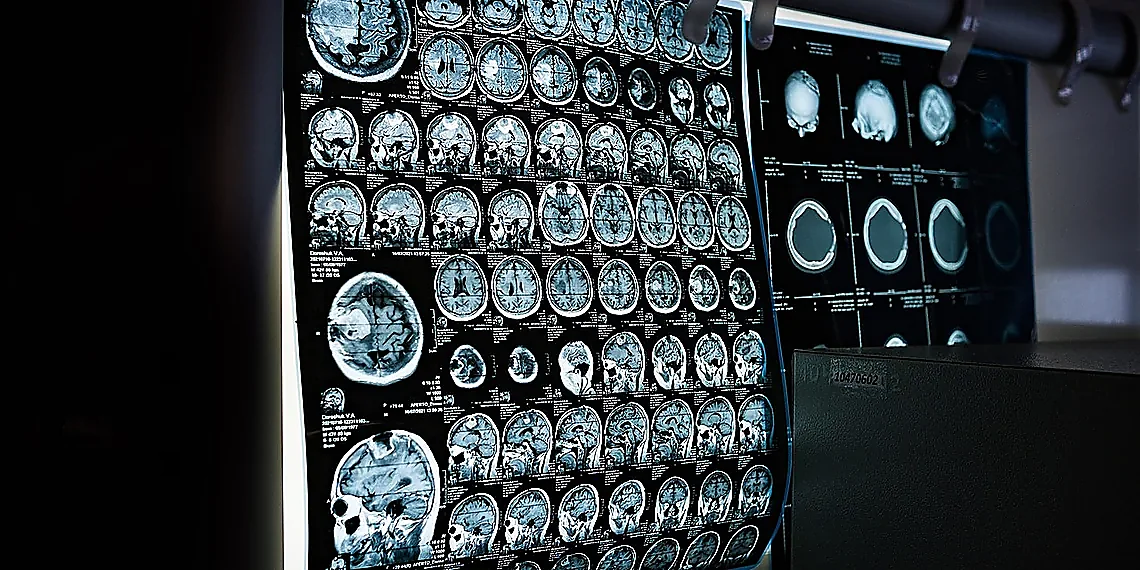
Traditional X-ray imaging works by passing a beam of X-rays through the body or an object. These rays are a form of electromagnetic radiation; some pass straight through, while others are absorbed by different tissues depending on their density. A detector on the other side captures what’s left, creating an image based on how much radiation made it through – denser materials absorb more and appear whiter, while less dense materials allow more to pass and appear darker.
The core challenge arises when tissues have similar densities. For example, distinguishing between a benign tumor and healthy tissue can be difficult because they might both contain a comparable amount of water and other components. Both would essentially appear as shades of gray on the X-ray image, making it hard for doctors to tell the difference. This lack of contrast limits the ability to detect subtle abnormalities early on.
Think of it like trying to differentiate between slightly different shades of paint – if they’re too close in color, it’s tough to distinguish them clearly. Similarly, conventional X-rays struggle when tissues have very similar densities, meaning finer details and smaller anomalies can be easily missed or misinterpreted, potentially delaying diagnosis or leading to inaccurate assessments.
Introducing ‘Ray’: A Breakthrough Method
The world of medical and industrial imaging is on the cusp of a significant transformation thanks to ‘Ray,’ a revolutionary new X-ray imaging method developed by researchers at the University of Houston. Traditional X-rays provide valuable information, but often require multiple scans with different settings to reveal all the details needed for accurate diagnosis or analysis. ‘Ray’ changes that, offering the potential to capture several types of contrast—essentially different ‘views’ of the same object—in a single exposure.
At its core, ‘Ray’ leverages the subtle differences in how X-rays interact with matter based on their energy levels and phase. Think of it like this: standard X-rays are like shining white light – you see something but lack detail. ‘Ray’ is akin to using a prism to split that light into its constituent colors, each representing a different property of the material being examined. By carefully controlling and analyzing these variations in X-ray behavior—specifically their energies and phases—the system can generate multiple images simultaneously. One image might highlight bone density, while another reveals soft tissue composition or even trace amounts of specific elements.
Previously, obtaining this kind of multi-contrast information required complex and time-consuming procedures involving numerous scans and sophisticated data processing. ‘Ray’ streamlines this process dramatically by integrating the various contrast types directly into a single image dataset. This not only speeds up the imaging process but also reduces radiation exposure for patients – a crucial consideration in medical applications. The technique uses specially designed optics to separate and detect these different X-ray signals, creating a richer and more informative picture than ever before.
The implications of ‘Ray’ are far-reaching. In medicine, it promises earlier and more accurate cancer detection by revealing subtle changes within tissues that might be missed with conventional methods. Beyond healthcare, applications extend to disease monitoring, enhanced security screening (detecting hidden materials), and advanced material analysis in fields like manufacturing and geology – offering a truly versatile new ‘ray’ of hope for numerous industries.
How It Works: Capturing Multiple Contrasts
Traditional X-ray imaging primarily relies on a single energy level of X-rays passing through an object. Differences in density within the object absorb varying amounts of these rays, creating a grayscale image reflecting those differences. This limits what information can be gleaned; for example, distinguishing between tissues with similar densities is challenging. The ‘Ray’ method overcomes this by employing a broad spectrum of X-ray energies – essentially using multiple X-ray ‘colors,’ if you will – simultaneously.
The core innovation lies in how these different X-ray energies are utilized. Instead of simply discarding the excess energy, ‘Ray’ captures information from each energy level individually. Each energy range interacts differently with materials; higher energies penetrate deeper and can reveal internal structures, while lower energies are more sensitive to subtle density variations or even the presence of specific elements. This allows for the creation of multiple contrast maps – images highlighting different material properties – all obtained in a single exposure.
Think of it like this: conventional X-rays show you how much something blocks the rays; ‘Ray’ shows you *how* they block them, and with what kind of ‘ray’ (energy). By combining these multiple contrast maps, researchers can generate a comprehensive picture revealing information previously hidden. This promises to significantly enhance diagnostic capabilities in various fields, from identifying early-stage tumors to analyzing the composition of unknown materials.
Potential Applications Across Industries
Beyond the immediate implications for medical diagnostics, this new X-ray imaging technique unlocks a surprisingly broad range of potential applications across numerous industries. The ability to resolve intricate details with a single exposure drastically alters how we approach challenges in fields far removed from hospitals and clinics. Imagine, for example, significantly accelerating quality control processes in advanced manufacturing – detecting microscopic flaws in turbine blades or semiconductor chips that would otherwise require lengthy and complex inspection procedures. This ‘single-shot’ capability promises not just improved efficiency but also the potential to identify previously undetectable defects, leading to stronger, safer products.
The security sector stands to benefit immensely as well. Current screening methods often rely on multiple scans and layered analysis, which can be time-consuming and prone to human error. This new X-ray imaging technology could revolutionize airport baggage screening or cargo inspection by providing a more comprehensive view of contents in a single pass, dramatically reducing delays and improving the detection of concealed contraband – from explosives to illegal substances. The increased resolution allows for finer detail analysis than ever before, potentially identifying items hidden within complex packaging.
Looking further ahead, advanced material analysis is poised for transformation. Researchers can leverage this technology to study the internal structure of materials at an unprecedented level of detail. This could be invaluable in fields like geological surveying, where understanding subsurface formations is crucial for resource exploration, or in materials science, where it facilitates the development of new and improved composites with tailored properties. The ability to non-destructively analyze material composition and layering opens up entirely new avenues for scientific discovery and technological innovation.
Ultimately, this breakthrough underscores a fundamental shift in how we interact with X-ray technology – moving away from iterative processes towards instantaneous, high-resolution imaging. While widespread implementation will require further refinement and scaling, the potential impact on industries ranging from aerospace to archaeology is undeniable. We’re not just looking at an improvement in existing techniques; we’re witnessing the dawn of a new era in materials analysis and non-destructive testing, fueled by this revolutionary ‘ray’ of hope.
From Cancer Detection to Security Screening
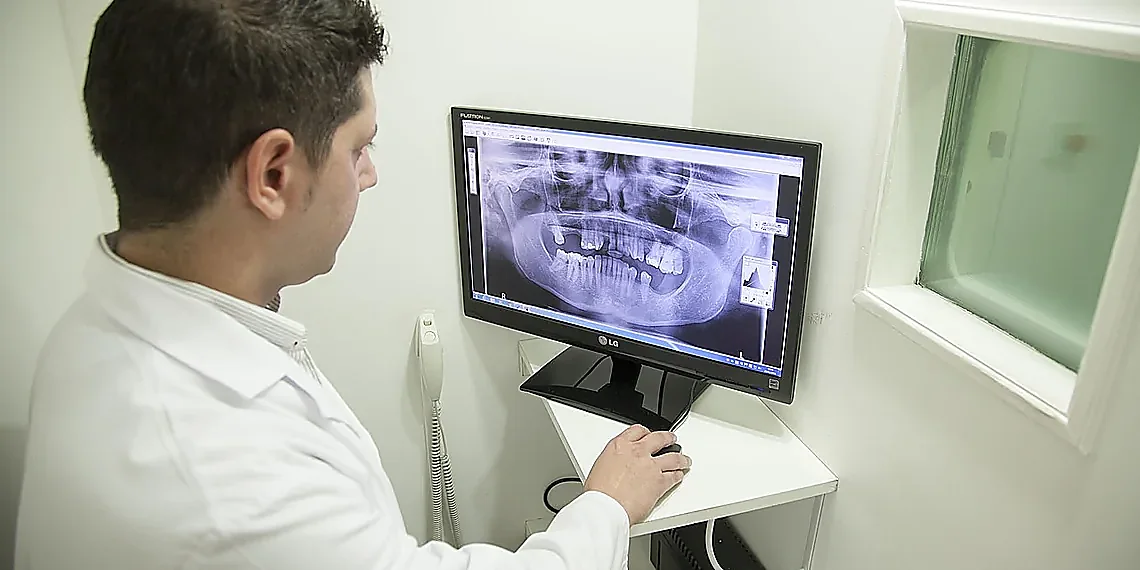
The newly developed X-ray imaging technique promises a significant leap forward in cancer detection capabilities. Traditional methods often require multiple scans and complex image reconstruction, potentially delaying diagnosis. This new method’s ability to reveal hidden features in a single exposure could allow for earlier identification of cancerous tumors, even at the microscopic level. For instance, radiologists might be able to detect subtle changes in lung tissue indicative of early-stage lung cancer that are currently missed with conventional X-rays, leading to more timely intervention and improved patient outcomes.
Beyond cancer detection, this technology holds immense potential for enhanced disease monitoring and advanced material analysis. Imagine tracking the progression of a bone infection over time with significantly reduced radiation exposure due to fewer scans required. Similarly, in manufacturing, it could be used to non-destructively analyze complex composite materials – identifying internal flaws or inconsistencies invisible to current inspection methods. A scenario might involve inspecting carbon fiber components for aerospace applications, ensuring structural integrity without damaging the part itself.
Security screening also stands to benefit greatly. The ability to penetrate and image objects with greater clarity in a single pass could drastically improve the detection of concealed contraband at airports and border crossings. Current systems often require multiple scans from different angles; this new X-ray technology could potentially identify hidden compartments containing illegal substances or weapons more effectively, significantly enhancing security protocols while minimizing disruption to travelers.
The Future of X-ray Imaging & Challenges Ahead
The promise of this new X-ray imaging method – capable of revealing intricate details in a single exposure – opens exciting avenues for advancements across multiple fields, from dramatically improving cancer detection rates and enabling more precise disease monitoring to bolstering security screening protocols and refining material analysis techniques. While the initial results are undeniably groundbreaking, realizing its full potential requires navigating significant next steps. The immediate focus will be on optimizing the system’s performance under various conditions and with different materials, ensuring consistent image quality and reliability beyond the controlled laboratory environment where it was initially demonstrated.
Scaling up this technology from a proof-of-concept prototype to a commercially viable solution presents several considerable challenges. Primarily, the sophisticated optics involved require precise fabrication and alignment, which can be costly and complex. Miniaturization is also key; current setups are relatively bulky, limiting portability and accessibility. Furthermore, integrating this technique into existing clinical workflows will necessitate careful consideration of compatibility with standard imaging equipment and established protocols. Ongoing research is actively addressing these issues, exploring alternative materials and simplified designs to reduce costs and improve ease of use.
Beyond the technical hurdles, commercialization hinges on securing regulatory approvals, a process that can be lengthy and demanding. Demonstrating consistent safety and efficacy through rigorous clinical trials will be paramount before ‘Ray’ can become widely available to patients. Accessibility is another crucial factor; ensuring equitable access to this advanced imaging technology across diverse socioeconomic populations will require strategic pricing models and distribution networks. The team at the University of Houston, along with potential industry partners, are keenly aware of these considerations and are actively planning for a phased rollout, prioritizing areas where the greatest impact can be achieved.
Looking ahead, future research aims to further refine the technique’s resolution and sensitivity while reducing exposure levels – a critical concern in any X-ray application. Exploring its potential synergy with other imaging modalities, such as MRI or ultrasound, could also unlock even more powerful diagnostic capabilities. While limitations undoubtedly remain, this new approach represents a significant ‘ray’ of hope for revolutionizing how we visualize the world around us and within it.
Commercialization & Remaining Hurdles
While the ‘Ray’ X-ray imaging technique demonstrates remarkable promise, significant hurdles remain before widespread adoption becomes a reality. The current prototype utilizes specialized equipment and complex algorithms, contributing to a high initial cost that would need substantial reduction for accessibility in clinical settings and broader industrial applications. Scaling up production of the necessary components and making the technology adaptable to existing infrastructure presents a considerable engineering challenge.
Regulatory approval processes also represent a major time investment. Like all new medical imaging technologies, ‘Ray’ will require rigorous testing and validation to meet stringent safety standards set by agencies like the FDA. This process includes extensive clinical trials demonstrating efficacy and patient safety, which can take several years and necessitate significant financial resources. Furthermore, obtaining approvals for various industrial applications (e.g., security screening) would involve separate pathways.
Research efforts are ongoing to address these challenges and further refine ‘Ray’ imaging. Scientists are exploring ways to simplify the system’s components, potentially using more readily available materials to lower production costs. Simultaneously, they are working on improving image resolution and reducing noise through advanced signal processing techniques. Future investigations will also focus on expanding the technique’s applicability to a wider range of materials and diagnostic scenarios.
The journey through this article has highlighted a truly transformative moment in medical diagnostics, demonstrating how ‘Ray’ is poised to redefine what’s possible within existing technologies like x-ray imaging.
We’ve seen firsthand how its innovative approach tackles longstanding limitations, promising not only enhanced image clarity and reduced patient exposure but also opening doors for entirely new diagnostic applications we previously could only dream of.
The potential impact extends far beyond the radiology suite; consider the implications for faster diagnoses, more personalized treatment plans, and ultimately, improved patient outcomes globally – this is a shift with profound societal benefits.
While ‘Ray’ represents a significant leap forward, it’s crucial to remember that innovation rarely stands still. We anticipate further refinements, integrations with other imaging modalities, and even entirely new applications emerging in the years ahead, building upon this foundational advancement within x-ray imaging and beyond. The field is ripe for disruption and exciting discoveries remain on the horizon. The future of medical visualization is undeniably bright, driven by ingenuity and a relentless pursuit of better patient care. We’re only just beginning to glimpse the possibilities that lie before us, fueled by this new wave of technological progress. It’s an exhilarating time to be involved in or observing the evolution of healthcare technology. What are your thoughts on where medical imaging is headed? Share your predictions and insights with us in the comments below – let’s shape the future together!
Continue reading on ByteTrending:
Discover more tech insights on ByteTrending ByteTrending.
Discover more from ByteTrending
Subscribe to get the latest posts sent to your email.