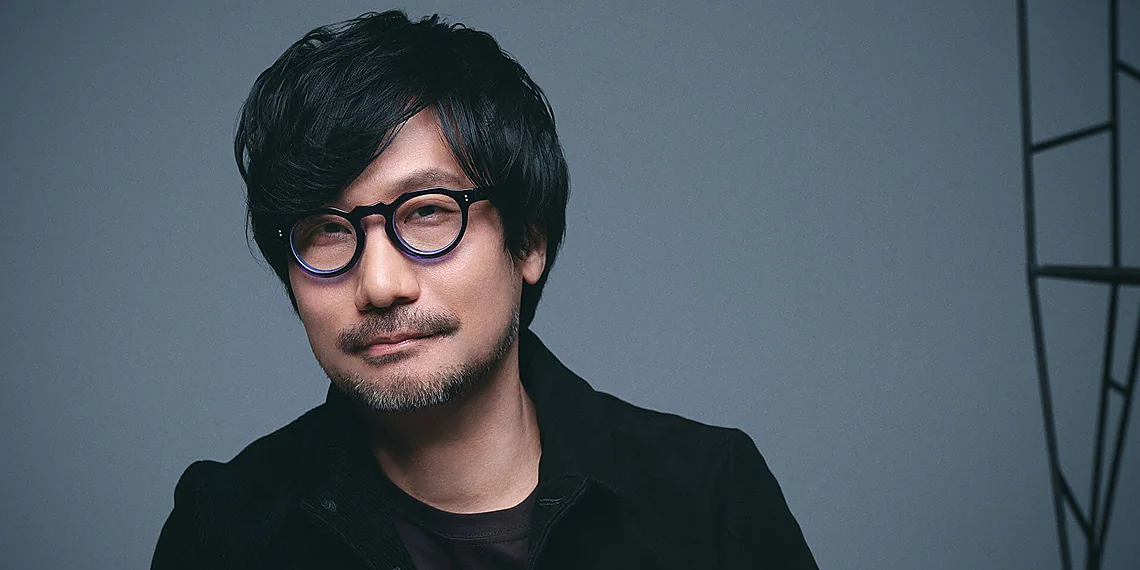

The gaming world held its breath last week as Hideo Kojima, a name synonymous with innovation and auteurship, unveiled exciting new details at the GDC Festival – signaling a fresh chapter for his studio, Kojima Productions. This isn’t just about another game; it’s a testament to the evolving landscape of interactive entertainment and what it means to forge your own path. Kojima’s continued success serves as an undeniable beacon for creators everywhere striving to realize their unique visions.
His recent announcement, centered around the powerful concept of ‘Restarting from Zero,’ resonated deeply within the industry, sparking conversations about creative control, funding models, and the challenges inherent in breaking free from established structures. This philosophy is increasingly vital for those seeking true game developer independence, allowing them to sidestep traditional publisher constraints and explore uncharted territory.
The journey from blockbuster franchise leader to independent studio head hasn’t been without its complexities, but Kojima’s unwavering commitment to artistic expression continues to inspire a new generation of developers. We’ll be exploring the implications of his approach, analyzing what it means for the future of game creation, and considering how other studios might learn from his experiences in this dynamic era.
The Kojima Effect: A Legacy of Creative Control
Hideo Kojima’s name is synonymous with innovative game design, but his legacy extends far beyond just crafting iconic titles like Metal Gear Solid. His career trajectory serves as a potent case study for aspiring game developer independence – a journey marked by both extraordinary creative achievements and significant battles for artistic control. For years, Kojima pushed the boundaries of storytelling and gameplay within the framework of Konami, consistently delivering groundbreaking experiences that redefined stealth action. However, these successes were often accompanied by friction; instances where his vision clashed with corporate priorities and demands for broader appeal, leaving him increasingly frustrated and stifled.


The eventual split from Konami was dramatic and deeply impactful, a public unraveling that underscored the inherent tensions between individual creative expression and large-scale corporate structures. What followed wasn’t just the formation of Kojima Productions, but a symbolic declaration – a commitment to fostering an environment where artistic vision could flourish without compromise. This separation wasn’t seamless; it involved rebuilding a studio from scratch, navigating complex contractual obligations, and proving that a singular creative force could indeed sustain a successful game development operation. The initial period was one of uncertainty, yet the fervent support from fans worldwide demonstrated the power of a creator’s connection with their audience.
Kojima’s subsequent work, particularly Death Stranding, perfectly embodies this newfound freedom. While divisive among critics and players alike, its ambition and unique design philosophy were undeniably shaped by his independent status. It represented a deliberate departure from established norms, a tangible result of Kojima’s ability to pursue his own artistic instincts without the constraints of corporate mandates. This ‘Kojima Effect,’ as it’s become known, has resonated throughout the industry, inspiring other developers to consider alternative paths and explore models that prioritize creative control.
Ultimately, Hideo Kojima’s experience highlights a crucial truth for game developer independence: it’s not merely about escaping corporate oversight; it’s about embracing responsibility and forging a new kind of relationship with players. It requires resilience, innovation, and an unwavering belief in one’s vision – a testament to the enduring power of creative freedom within the ever-evolving landscape of video games.
From Metal Gear Solid to Independent Studio

Hideo Kojima’s career is intrinsically linked to the Metal Gear Solid franchise, a series he created at Konami that revolutionized stealth gameplay and storytelling in video games. However, even during his tenure at Konami, Kojima consistently pushed for creative boundaries, often encountering resistance from corporate oversight focused on sales figures and established formulas. Early examples include disagreements regarding the protagonist’s name in Metal Gear Solid 2 and limitations placed on the narrative scope of later installments. While these clashes weren’t always publicly acknowledged, they signaled a growing tension between Kojima’s artistic vision and Konami’s business priorities.
The culmination of this friction led to a dramatic and highly publicized split between Kojima and Konami in 2015. Initially, Kojima was seemingly suspended from his duties before ultimately leaving the company, with Konami removing references to him from Metal Gear Solid V: The Phantom Pain. This separation underscored the potential pitfalls for game developers seeking creative control within a large corporate structure; it demonstrated that even a figure of Kojima’s stature could face significant roadblocks when challenging established practices and profit-driven decisions.
Following his departure, Kojima founded Kojima Productions as an independent studio, initially backed by Sony Interactive Entertainment. This move allowed him to pursue his creative vision without external constraints, leading to the critically acclaimed Death Stranding. The success of Kojima Productions has inspired many game developers contemplating independence, highlighting both the challenges – securing funding and establishing a new infrastructure – and the profound rewards of owning one’s artistic output.
GDC Festival of Gaming: A New Era for Developers
The Game Developers Conference (GDC) Festival of Gaming has long been a cornerstone event for the industry, but its recent evolution signals a significant shift in how game development is discussed and celebrated. Once primarily focused on high-profile keynotes and announcements, the festival has increasingly prioritized fostering a vibrant community and providing practical learning opportunities for developers at every stage of their careers. This year’s iteration feels particularly potent, moving beyond purely theoretical discussions to embrace hands-on workshops, intimate roundtable sessions, and expanded networking events – truly embodying its title as a ‘Festival’ rather than just a conference.
A key indicator of this commitment to developer empowerment is the prominent role played by Hideo Kojima. His presence isn’t simply as a celebrity guest; it represents a validation of the independent spirit that GDC has been actively cultivating. Kojima, a figure synonymous with creative freedom and pushing boundaries after his departure from Konami and subsequent founding of Kojima Productions, embodies the very essence of game developer independence – a concept increasingly valued within the industry. Having him participate underscores GDC’s dedication to providing a platform for voices outside of the traditional AAA studio model.
This year’s festival isn’t just about showcasing established talent; it’s actively dedicated to supporting emerging developers and offering resources for those considering forging their own paths. The increased emphasis on smaller, focused sessions allows for deeper dives into specific technical challenges and creative processes, fostering a more collaborative environment where attendees can learn from each other’s experiences. It’s a stark contrast to the often-intimidating atmosphere of past GDCs, creating space for new voices and perspectives to be heard and celebrated.
Ultimately, the GDC Festival of Gaming is becoming more than just an industry event; it’s evolving into a crucial hub for community building, skill development, and the championing of game developer independence. Kojima’s involvement serves as a powerful symbol of this transformation – a testament to the festival’s growing relevance in an industry increasingly driven by creativity, innovation, and the desire for developers to control their own narratives.
Beyond Keynotes: Fostering Community & Learning
The Game Developers Conference (GDC) Festival has undergone a significant transformation in recent years, moving beyond its traditional keynote-driven format to prioritize community building and practical learning. While keynotes remain, the emphasis now lies on smaller, more intimate sessions like workshops, roundtable discussions, and hands-on labs designed to equip developers with actionable skills. This shift reflects a broader industry trend towards empowering creators and fostering collaboration rather than solely focusing on large studio announcements.
This year’s GDC Festival feels particularly unique due to the prominent involvement of Hideo Kojima, renowned game developer and founder of Kojima Productions. His presence not only draws attention but also underscores the festival’s commitment to celebrating independent voices and innovative approaches to game development. Kojima’s willingness to share his experiences – including the challenges and triumphs of establishing an independent studio – resonates deeply with many attendees seeking to forge their own paths in the industry.
Beyond the scheduled sessions, a core element of this year’s GDC Festival is the expanded networking opportunities. Dedicated spaces and events encourage developers of all experience levels to connect, share ideas, and build relationships. This informal interaction proves invaluable for those looking for mentorship, collaboration partners, or simply a sense of belonging within the often-isolating world of game development.
Restarting from Zero: Lessons for the Independent
Hideo Kojima’s recent GDC talk, titled ‘Restarting from Zero,’ resonated deeply with aspiring and established game developers alike. It wasn’t just a recounting of his post-Konami journey; it was a masterclass in navigating the complexities of creative independence. The title itself speaks volumes: acknowledging that building something truly original requires dismantling pre-existing structures – both internal assumptions and external expectations. For independent game developers, this concept isn’t metaphorical – it’s often literal. Leaving behind established publishers or corporate structures demands a complete reassessment of how you approach funding, team formation, and the very core of your creative process.
Kojima emphasized the importance of embracing calculated risk-taking. He didn’t shy away from discussing the financial anxieties that accompanied his initial ventures after leaving Konami. The key takeaway wasn’t about ignoring those fears, but about understanding that innovation rarely comes without them. He suggested a phased approach to funding – starting small, proving viability with early prototypes, and then seeking larger investment based on demonstrable progress rather than solely on ambitious concepts. This ‘bootstrap then build’ philosophy is particularly relevant for indie studios often facing limited access to traditional publishing deals; it allows for iteration and refinement while minimizing potential losses.
Team building presented another significant hurdle Kojima addressed. He stressed the value of surrounding yourself with individuals who share your vision but also possess complementary skills and a willingness to challenge your ideas. This isn’t about finding ‘yes’ people, but collaborators who bring diverse perspectives and expertise to the table. Building trust and fostering open communication are paramount; independent studios thrive on shared ownership and responsibility. His experience highlighted that even with significant creative freedom, delegating effectively and empowering team members is crucial for scaling a project from concept to completion.
Ultimately, Kojima’s ‘Restarting from Zero’ isn’t just about the technical challenges of game development; it’s a testament to the power of unwavering creative vision. Maintaining that vision amidst financial pressures and logistical hurdles requires resilience, adaptability, and a deep commitment to your artistic goals. It underscores that true game developer independence is less about escaping constraints entirely and more about strategically choosing which constraints you will operate within, empowering yourself to create something truly unique and meaningful.
Funding & Creative Risk: Navigating the Challenges

Securing initial funding is consistently the most significant hurdle for independent game developers. Unlike established studios with lines of credit and publisher backing, solo developers or small teams often rely on personal savings, crowdfunding platforms like Kickstarter or Patreon, or securing angel investors. Hideo Kojima’s experience vividly illustrates this; after leaving Konami, he bootstrapped Kojima Productions largely through pre-orders for *Death Stranding*. This highlights the importance of building a dedicated community early and demonstrating audience demand before seeking larger investment rounds. While crowdfunding can be powerful, it requires significant marketing effort and carries the risk of failure if targets aren’t met.
Managing creative risk is another critical challenge. The freedom to pursue unique visions that defines game developer independence also means shouldering the full financial burden of those choices. Kojima’s willingness to experiment with unconventional gameplay mechanics and narrative structures in *Death Stranding*, despite potential commercial risks, exemplifies a commitment to artistic integrity. However, this approach demands meticulous planning and a realistic assessment of market appeal. Diversifying funding sources – combining crowdfunding with grants or smaller investors – can provide some buffer against project failure while allowing for creative exploration.
Maintaining creative vision amidst these pressures requires establishing clear boundaries and cultivating a supportive team. Kojima emphasized the importance of surrounding himself with individuals who shared his passion and were willing to embrace unconventional ideas. He also stressed the need for open communication and iterative development, allowing for course correction based on feedback without compromising the core artistic intent. Building trust within a small team is paramount; everyone needs to feel empowered to contribute while understanding the overall creative direction.
The Future of Game Development: A Decentralized Landscape?
Hideo Kojima’s journey, famously escaping Konami to establish Kojima Productions as an independent studio, feels increasingly symbolic of a larger shift within the game development industry. His recent accolades and continued success underscore a powerful message: creative freedom and ownership can be incredibly rewarding, both artistically and commercially. The GDC Festival’s emphasis this year on creator independence further amplifies this sentiment, suggesting that the traditional AAA model – reliant on massive publishers and rigid structures – isn’t the only path to impactful game creation.
For years, the industry has been dominated by a handful of powerful corporations controlling development pipelines. However, platforms like Steam and Epic Games Store have dramatically lowered the barrier to entry for independent developers, providing direct avenues to reach audiences without needing publisher approval or significant upfront investment. Combined with the rise of crowdfunding through services like Kickstarter and Patreon, and increasingly popular direct-to-consumer distribution models, creators now possess unprecedented control over their projects – from initial concept to final release and beyond.
While complete independence isn’t always feasible or desirable for every developer (team size, budget considerations, etc.), the growing success stories of studios like Kojima Productions are inspiring a new generation. We may be witnessing a gradual decentralization of power in game development, moving away from a top-down structure toward a more creator-centric landscape where individual vision and creative control take precedence. This doesn’t necessarily mean the end of AAA games or publishers – rather, it suggests a future where creators have greater agency and alternative pathways to realize their artistic ambitions.
Ultimately, Kojima’s example serves as a potent reminder that innovation thrives on autonomy. As tools become more accessible and distribution methods evolve, we can anticipate even more developers exploring independent routes, potentially leading to a richer, more diverse gaming ecosystem driven by individual voices and unique creative visions. The future of game development may well be defined not just by technological advancements but also by the growing movement towards creator independence.
Empowering Creators: The Rise of Indie Studios
The rise of digital distribution platforms like Steam and the Epic Games Store has fundamentally altered the landscape for game developer independence. Historically, securing funding and publishing deals required navigating complex relationships with established publishers, often limiting creative control and revenue share for developers. These platforms significantly lowered the barrier to entry, allowing independent studios – sometimes just individuals – to directly release their games to a global audience without needing traditional publisher backing. This accessibility fostered an explosion of innovative titles and experimental gameplay experiences that might never have seen the light of day in previous eras.
Crowdfunding services like Kickstarter and Patreon further solidified this shift towards creator empowerment. These platforms enable developers to secure funding directly from potential players, allowing them to bypass conventional investment routes and maintain greater creative autonomy. Direct-to-consumer distribution models, often combined with crowdfunding, also provide a more significant share of revenue back to the development team. This financial independence allows for riskier projects and fosters a closer relationship between creators and their audience – leading to iterative design based on community feedback.
The success stories emerging from this decentralized ecosystem, exemplified by figures like Hideo Kojima who established Kojima Productions after leaving Konami, demonstrate the viability of independent game development. While challenges remain—marketing remains crucial, and competition is fierce—the tools and platforms are increasingly available to empower creators to pursue their visions without relying solely on traditional publisher structures. This trend suggests a potential future where smaller, more agile studios play an increasingly significant role in shaping the gaming landscape.
Hideo Kojima’s journey exemplifies a powerful shift in our industry, demonstrating that creative vision can thrive outside traditional corporate structures. His continued success highlights the increasing appetite for unique experiences and reinforces the value of auteur-driven game development. The rise of digital distribution platforms has undeniably lowered barriers to entry, fostering an environment where smaller teams and individual creators can connect directly with players worldwide. This evolving landscape is fundamentally reshaping how games are conceived, produced, and consumed, creating exciting new avenues for innovation. Ultimately, we’re witnessing a gradual but significant evolution towards greater game developer independence, empowered by technology and driven by passionate individuals seeking to tell their stories. The future of gaming isn’t solely about blockbuster titles; it’s about celebrating the diverse voices and experimental approaches that challenge conventions and push creative boundaries. Kojima’s influence serves as an inspiration, proving that artistic integrity and commercial success aren’t mutually exclusive. If you’re eager to learn more about forging your own path in this dynamic world or simply want to support innovative creators, a wealth of resources awaits. Explore platforms like itch.io, GameJolt, and the IndieCade website for insights and inspiration from fellow developers. Finally, mark your calendars and consider attending the GDC Festival – it’s an unparalleled opportunity to connect with industry leaders, learn new skills, and celebrate the future of game development firsthand.
The conversation around creative control and ownership is far from over; in fact, it’s only just beginning. We can expect to see even more developers choosing unconventional routes, leveraging crowdfunding, subscription models, and direct-to-consumer sales to maintain autonomy over their work. The lessons gleaned from Kojima’s experiences – the importance of community building, the power of direct communication, and the unwavering commitment to a singular vision – will continue to resonate throughout the industry for years to come.
Continue reading on ByteTrending:
Discover more tech insights on ByteTrending ByteTrending.
Discover more from ByteTrending
Subscribe to get the latest posts sent to your email.