
The Rise of Second-Generation Black Holes
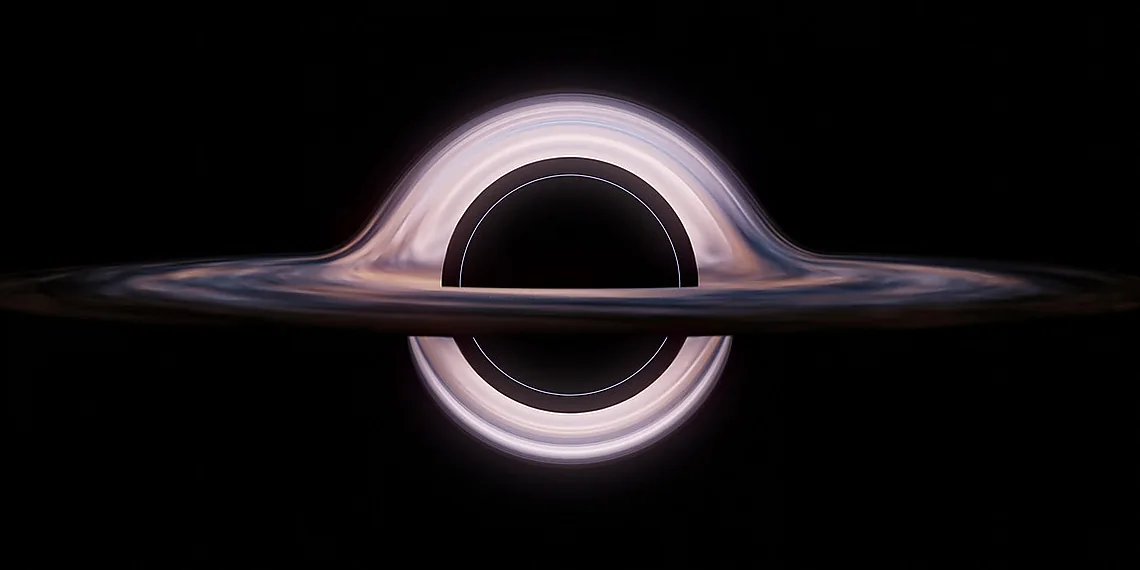
Most black holes we understand are born from a relatively straightforward process: the death of a truly massive star. When such a star exhausts its nuclear fuel, it collapses under its own gravity, crushing itself into an infinitely dense point – a black hole. These ‘first-generation’ black holes represent the initial population, formed directly from stellar collapse. They tend to have masses typically ranging from around five to dozens of times the mass of our Sun. While powerful and fascinating in their own right, these solitary creations are only part of the story.
However, the universe is a dynamic place, and black holes aren’t destined to exist in isolation. Over cosmic timescales, these initial black holes can find themselves drawn together by gravity within dense stellar environments like globular clusters or galactic centers. When two black holes approach each other closely enough, they spiral inwards, eventually colliding and merging into a single, larger black hole – a process we now detect as gravitational waves. This is where the concept of ‘second-generation’ black holes comes in.
These second-generation black holes are fundamentally different from their stellar collapse predecessors. They aren’t born directly from a star; they *are* the result of previous black hole mergers. Consequently, their masses can be significantly higher than those formed by individual star collapses – often exceeding tens or even hundreds of solar masses. More importantly, they inherit the ‘spin’ and orbital characteristics of their parent black holes, meaning they might spin faster or slower, or even rotate in unexpected directions.
The recent gravitational wave detections highlighting black holes spinning at extreme speeds (one rotating remarkably fast, another exhibiting retrograde rotation – spinning backwards) provide compelling evidence for this second-generation phenomenon. These unusual spins are likely echoes of the complex orbital dances and merging processes that created them, offering astronomers a unique window into the history of these cosmic behemoths and the crowded stellar environments where they thrive.
From Stellar Collapse to Cosmic Mergers

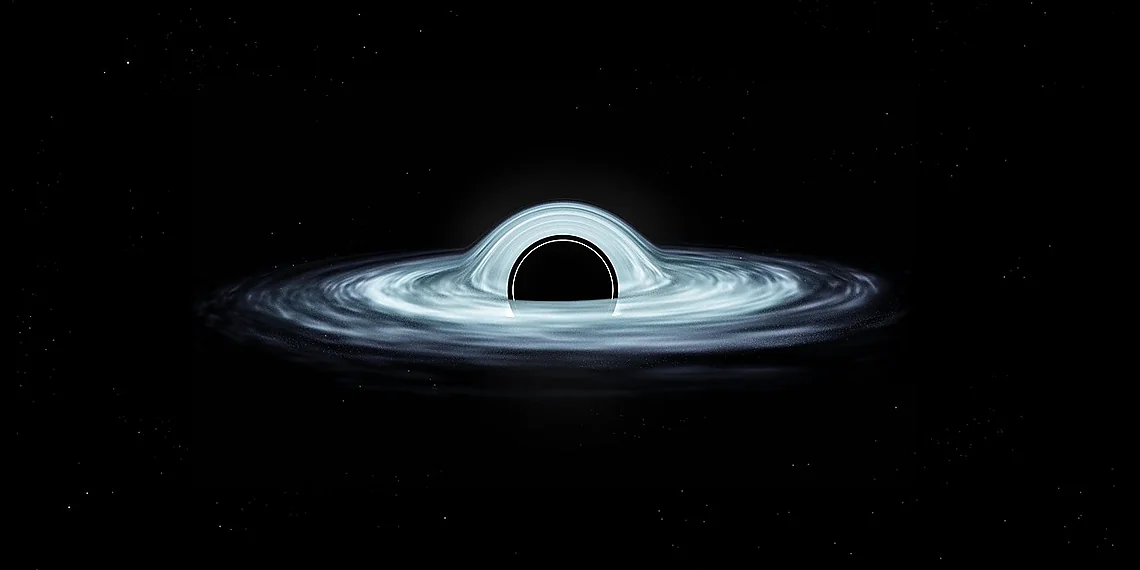
Most black holes begin their lives as massive stars, significantly larger than our Sun. When these behemoths exhaust their nuclear fuel, they can no longer support themselves against the relentless pull of gravity. The core collapses inward with incredible force, crushing protons and electrons together to form neutrons. If the star is massive enough – typically at least 20 times the mass of the Sun – even the strong force holding neutrons apart cannot resist, resulting in a complete gravitational collapse into a black hole. This process leaves behind an event horizon, a boundary beyond which nothing, not even light, can escape.
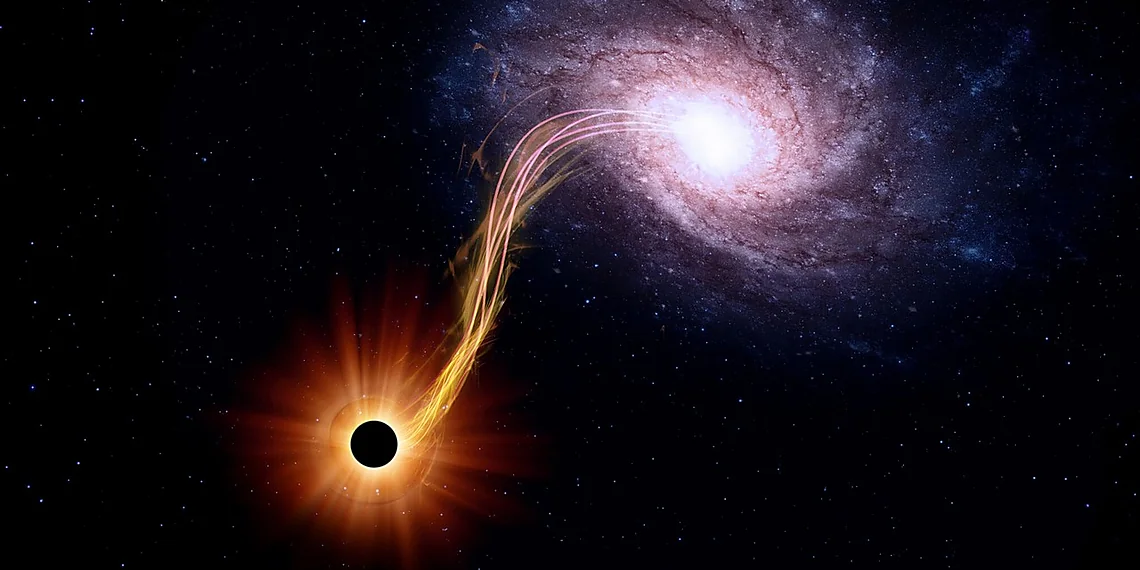
Initially formed black holes from stellar collapse tend to have masses within a certain range, roughly 5 to several tens of solar masses. However, the universe is dynamic; these early black holes don’t remain isolated forever. Over cosmic timescales, galaxies experience periods of intense star formation and gravitational interactions. These interactions can draw multiple black holes into close proximity, leading them to spiral inward and ultimately merge.
The resulting merger creates a new, more massive black hole – what we call a ‘second-generation’ black hole. Unlike their progenitor stars’ direct collapse origins, these second-generation black holes possess unique characteristics. Their masses can exceed the upper limits of those formed from individual stellar collapses, and their spin rates and orientations are complex, reflecting the combined angular momentum of the merging black holes. The recent gravitational wave detections highlight this phenomenon, revealing black holes with unusual properties that couldn’t have arisen solely through direct stellar collapse.
Gravitational Waves Reveal the Evidence
The recent detection of gravitational waves has revolutionized our understanding of black hole formation, providing unprecedented evidence for the existence of ‘second-generation’ black holes – objects born from previous mergers. Unlike typical stellar-mass black holes that arise directly from collapsing stars, these second-generation behemoths are the result of earlier black holes colliding and merging within dense star clusters. These environments foster repeated collisions, leading to a population of black holes with unusual characteristics and complex evolutionary histories.
Gravitational wave observatories like LIGO (Laser Interferometer Gravitational-Wave Observatory) and Virgo detect ripples in spacetime caused by accelerating massive objects – primarily black hole mergers. The signals are incredibly faint, requiring extremely sensitive instruments. These waves carry information about the masses, spins, and distances of the colliding black holes. Two particularly compelling detections from late 2024, designated GW24 events, have shone a bright light on this phenomenon. GW24-A revealed a merger involving black holes with significantly higher masses than previously observed for second-generation candidates, while GW24-B presented an astonishing case: one of the black holes was spinning in a retrograde direction – essentially rotating backwards relative to the orbital plane.
The unexpected spin of GW24-B is particularly intriguing. It suggests a complex merger history, potentially involving multiple previous collisions and intricate interactions within the dense stellar environment. Such ‘backwards’ spins are difficult to explain with standard models of black hole formation from single stars and strongly support the idea that these objects have been repeatedly involved in mergers. The sheer magnitude of spin observed is also remarkable, placing this black hole amongst the fastest-spinning ever detected, further solidifying its unique origin.
These gravitational wave detections are not just confirmations; they’re windows into the chaotic and violent lives of black holes within crowded stellar neighbourhoods. By continuing to analyze these signals, we can piece together a more complete picture of how second-generation black holes form, evolve, and ultimately contribute to the cosmic landscape – revealing a cycle of cannibalism and growth that shapes the universe.
Decoding the Signals: GW24 Late 2024 Detections
Gravitational waves, ripples in spacetime predicted by Einstein’s theory of general relativity, are detected using incredibly sensitive instruments called interferometers. These consist of two or more long arms (often kilometers in length) arranged perpendicularly, with lasers bouncing between mirrors at the ends. When a gravitational wave passes through Earth, it subtly stretches and compresses space, causing minuscule changes in the arm lengths – smaller than the width of a proton! Scientists analyze these tiny variations in the laser light’s interference pattern to identify and characterize the waves.
The late 2024 detections, designated GW24 events, offer particularly compelling evidence for ‘second-generation’ black holes. These aren’t your average stellar-mass black holes; they are formed from previous black hole mergers that occurred billions of years ago. GW24-01 revealed a surprisingly rapid spinning black hole – its spin rate was among the highest ever observed, suggesting it had already undergone at least one merger event and retained significant angular momentum from that earlier collision. This challenges existing models of black hole formation.
Furthermore, GW24-02 presented an even more unusual scenario: one of the merging black holes exhibited ‘reverse’ spin – rotating in the opposite direction to what’s typically expected for a black hole born from stellar collapse or previous mergers. This backward rotation is likely a consequence of complex orbital dynamics and multiple merger events within dense stellar environments, providing further insights into the chaotic processes that shape these cosmic behemoths.
Extreme Spins and Retrograde Motion
The gravitational wave detections GW240917_085303 and GW241121_110625 have revealed something truly remarkable about second-generation black holes: their spins are wildly unusual. One detected black hole exhibited an extraordinarily rapid spin, placing it among the fastest rotating black holes ever observed through gravitational waves. This isn’t simply a matter of chance; these extreme spins are a direct consequence of their complex merger history. Imagine two black holes, themselves formed from earlier stellar collapses and subsequent mergers, spiraling together. The final black hole inherits a combination of their original spins, often resulting in unexpected and highly skewed rotation.
What’s particularly puzzling is the observation of retrograde motion – where a black hole rotates in the opposite direction to its orbital plane. This is far less common than prograde (forward) rotation and presents a significant challenge to our understanding of how these mergers occur. Retrograde motion strongly suggests that at least one of the original parent black holes experienced a prior merger event with a black hole whose spin axis was significantly misaligned relative to the final system’s orbital plane. It’s a cosmic fingerprint, telling a story of chaotic collisions and complex gravitational interactions in dense stellar environments.
The legacy of past collisions isn’t just about imparting spin; it also influences the orbital dynamics. A black hole that has already merged once is likely to be found in a crowded region – perhaps a globular cluster or galactic center – where further mergers are statistically more probable. These subsequent encounters can dramatically alter a black hole’s trajectory, leading to unexpected orbital alignments and contributing to the unusual spin characteristics we observe today. The retrograde motion essentially provides evidence of this tangled history, painting a picture of repeated gravitational dances across cosmic timescales.
Ultimately, these observations provide invaluable insights into the evolution of galaxies and the distribution of black holes within them. By analyzing the spins and orbits of second-generation black holes, astronomers can begin to piece together the timeline of mergers that have shaped these systems, shedding light on the processes that govern the growth and behavior of supermassive black holes at the centers of galaxies.
The Legacy of Past Collisions
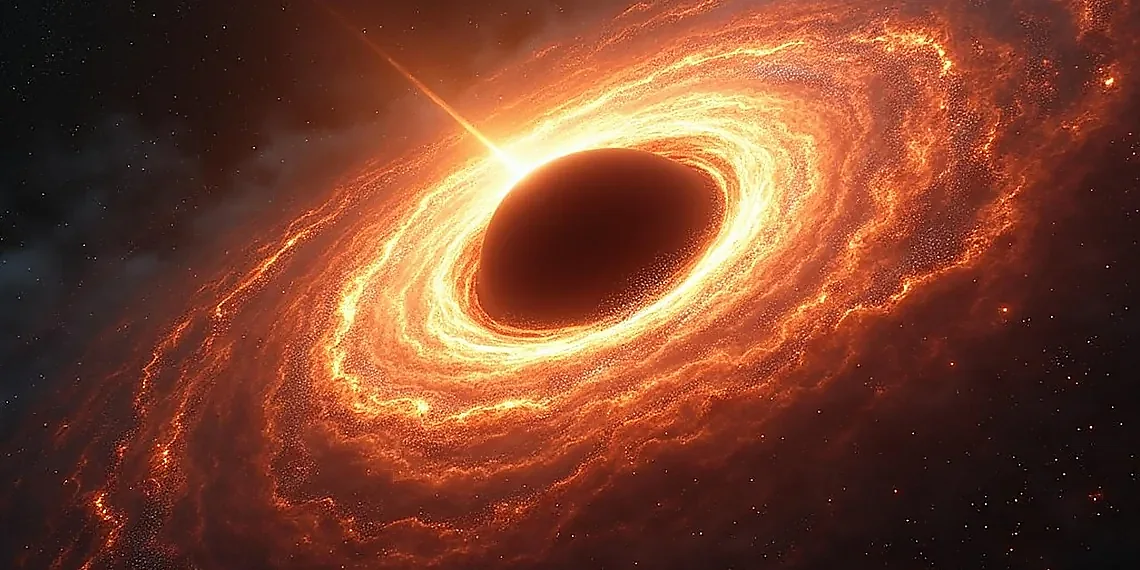
The peculiar spin properties of many recently detected black hole mergers—including exceptionally high rotational speeds and even retrograde (backward) spins—strongly suggest they are ‘second generation’ black holes. These aren’t formed from the direct collapse of a single star, but rather from the previous merger of two smaller black holes. Each initial black hole carries its own angular momentum, or spin, inherited from the rotation of its progenitor star and any prior collisions it might have experienced. When these two black holes merge, their spins combine in a complex way, potentially resulting in a final black hole with a spin significantly different from either parent.
Retrograde motion is particularly fascinating because it implies that at least one of the original black holes involved in the initial merger had a spin direction largely opposed to the orbital angular momentum of the other. This isn’t something easily achieved through simple stellar collapse; it requires a very specific alignment and relative velocity during the first collision. The observation of retrograde motion provides valuable clues about the dynamics within dense galactic nuclei, where multiple black hole mergers can occur in relatively close proximity, creating intricate gravitational interactions.
The observed spin characteristics essentially act as fossil records of these earlier collisions. By analyzing the final black hole’s rotation, astronomers can begin to reconstruct the merger history and gain insights into the environments—likely dense stellar clusters or galactic centers—where these second-generation black holes formed. Future observations with improved gravitational wave detectors will allow for more precise spin measurements, enabling a deeper understanding of how black hole populations evolve over cosmic time.
Implications for Galactic Evolution
The discovery of these ‘second generation’ black hole mergers, particularly those exhibiting extreme spin characteristics like backward rotation, offers profound insights into how galaxies evolve. These aren’t isolated events; they are remnants of a violent history within dense galactic environments – regions teeming with stars and previous black hole collisions. The very existence of these massive black holes suggests that their progenitors were themselves the result of earlier mergers, creating a cosmic lineage where black holes repeatedly consume each other and grow larger over time.
This ‘black hole recycling’ process isn’t just about individual black hole growth; it fundamentally alters galactic structure and stellar populations. Each merger releases enormous amounts of energy in the form of gravitational waves, potentially triggering bursts of star formation or disrupting existing gas clouds. The repeated mergers also redistribute mass within a galaxy, influencing its overall shape and dynamics. Galaxies that experience frequent black hole mergers are likely to be more centrally concentrated and have different distributions of stars compared to galaxies with calmer histories.
Understanding the frequency and characteristics of these black hole mergers is crucial for refining our cosmological models. The observed spin rates, for example, provide clues about the alignment of their parent black holes during previous encounters – information that can test theories of galaxy formation and hierarchical structure formation in the universe. By studying these ‘scars’ left on the merging black holes, we are effectively peering back into the early universe to witness the processes that shaped the galaxies we observe today.
Ultimately, the detection of second-generation black hole mergers highlights a previously underestimated role for black hole interactions in galactic evolution. It reinforces the idea that galaxy formation is not simply a process of star birth and death, but also one driven by the dynamic interplay between supermassive objects – a cosmic dance of cannibalism and growth that continues to shape the universe we inhabit.
Cosmic Neighborhoods: A Violent History
The discovery of ‘second-generation’ black holes, like those detected in late 2024, strongly suggests these behemoths frequently reside within densely populated galactic environments. These aren’t solitary wanderers; they are likely born from previous mergers – smaller black holes colliding and coalescing over billions of years. The gravitational wave signals observed provide evidence that these early mergers occurred relatively close together, implying a rich history of cosmic cannibalism within specific regions of the universe.
Galactic centers, particularly those in larger galaxies or galaxy clusters, offer ideal conditions for this repeated merging process. These regions are brimming with stars and stellar remnants, increasing the likelihood of black hole encounters and subsequent mergers. As second-generation black holes grow through these interactions, they can significantly influence their surroundings. Their gravitational pull disrupts star formation, alters stellar orbits, and even triggers further galactic interactions.
Over cosmic timescales, this ongoing cycle of black hole mergers and growth contributes to the overall distribution and evolution of galaxies. The movement of these massive objects – often propelled by the energy released during mergers – can redistribute matter within a galaxy or even eject them entirely into intergalactic space. Understanding this ‘black hole recycling’ is therefore crucial for building a complete picture of how galaxies assemble, evolve, and shape the large-scale structure we observe today.
Continue reading on ByteTrending:
Discover more tech insights on ByteTrending ByteTrending.
Discover more from ByteTrending
Subscribe to get the latest posts sent to your email.